

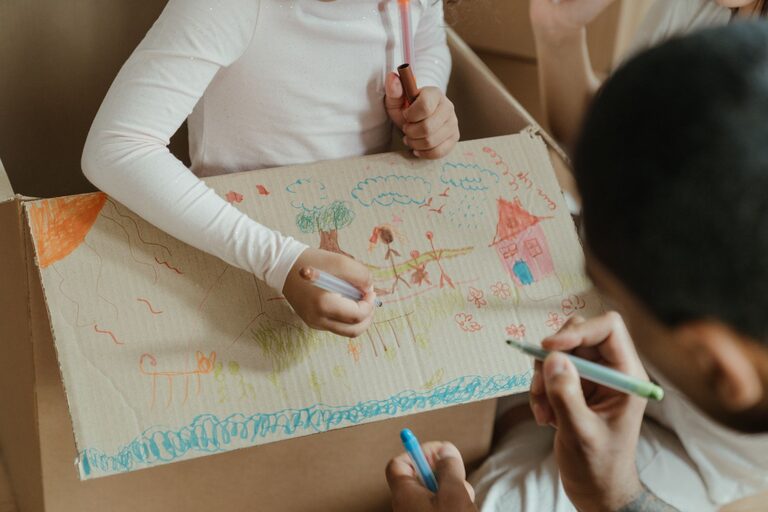
Kids’ art is a wonderful expression of creativity and imagination. Whether it’s finger paintings, drawings, or craft projects, these pieces often pile up quickly and can overwhelm your space. Keeping kids’ art organized not only preserves precious memories but also helps maintain a clutter-free home. If you’re wondering how to manage the growing collection of your child’s masterpieces, this guide offers practical tips and creative ideas to stay on top of the art chaos.
Why Organizing Kids’ Art Matters
Organizing kids’ artwork serves several purposes:
– Keeps your home tidy: Without a system, piles of paper and crafts can take over counters and drawers.
– Preserves memories: Artwork tells a story of your child’s growth and creativity.
– Boosts your child’s confidence: Displaying art shows your appreciation and encourages continued creativity.
– Teaches organizational skills: Involving kids in the process helps them learn to value and care for their belongings.
Setting Up a System for Artwork Organization
Before diving into specific methods, it’s important to develop a plan that works for your family’s space and lifestyle.
1. Sort and Select Regularly
Instead of keeping every piece, choose a few favorites periodically—weekly or monthly. Your child can help select what to keep, making it a special ritual.
2. Designate a Dedicated Space
Set aside a drawer, shelf, or bin specifically for art storage. Having a designated spot encourages consistent organization.
Creative Ways to Store and Display Kids’ Art
1. Use Portfolios or Binder Folders
Large art portfolios or plastic binders with sheet protectors are perfect for flat pieces like drawings and paintings. Label them by date or school year for easy reference.
2. Create Digital Archives
Take photos or scan artwork to create a digital gallery. Apps and cloud storage services let you save and organize images, freeing physical space.
3. Display with Rotating Frames or Clipboards
Use frames that open easily or clipboards mounted on a wall to showcase new pieces. Rotate the art regularly to keep your display fresh.
4. Make Art Books
Compile scanned or photographed artwork into photo books. This creates a professional-looking keepsake you can revisit any time.
5. Use Storage Boxes
For 3D crafts or bulkier items, clear storage boxes labeled by year or child’s name work well. Stackable boxes help conserve space.
6. Repurpose Artwork Into Gifts or Cards
Turn drawings into greeting cards, wrapping paper, or framed gifts for family members. This gives art new life and meaning.
Tips to Keep the System Working
– Set limits: Agree on a reasonable amount of artwork to keep to avoid overwhelming storage.
– Involve your child: Let them choose favorites and join in organizing; this builds responsibility.
– Schedule regular clean-ups: Pick a monthly or seasonal time for reviewing and updating the collection.
– Label everything: Dates, names, and notes about the artwork’s significance help preserve memories.
– Keep supplies nearby: Store paper, markers, and scissors near the display or storage area to encourage creativity.
Encouraging Creativity Without the Clutter
Keeping kids’ artwork organized doesn’t mean stifling creativity. Encourage your child to create with intention—perhaps for a project, holiday, or gift. This often results in more meaningful and manageable artwork collections.
—
Organizing your child’s artwork can feel overwhelming, but with a clear system and a bit of creativity, it becomes an enjoyable way to celebrate their growth and talent. Try these tips to keep your home tidy and create lasting memories together. Happy organizing!